Category: Study Material

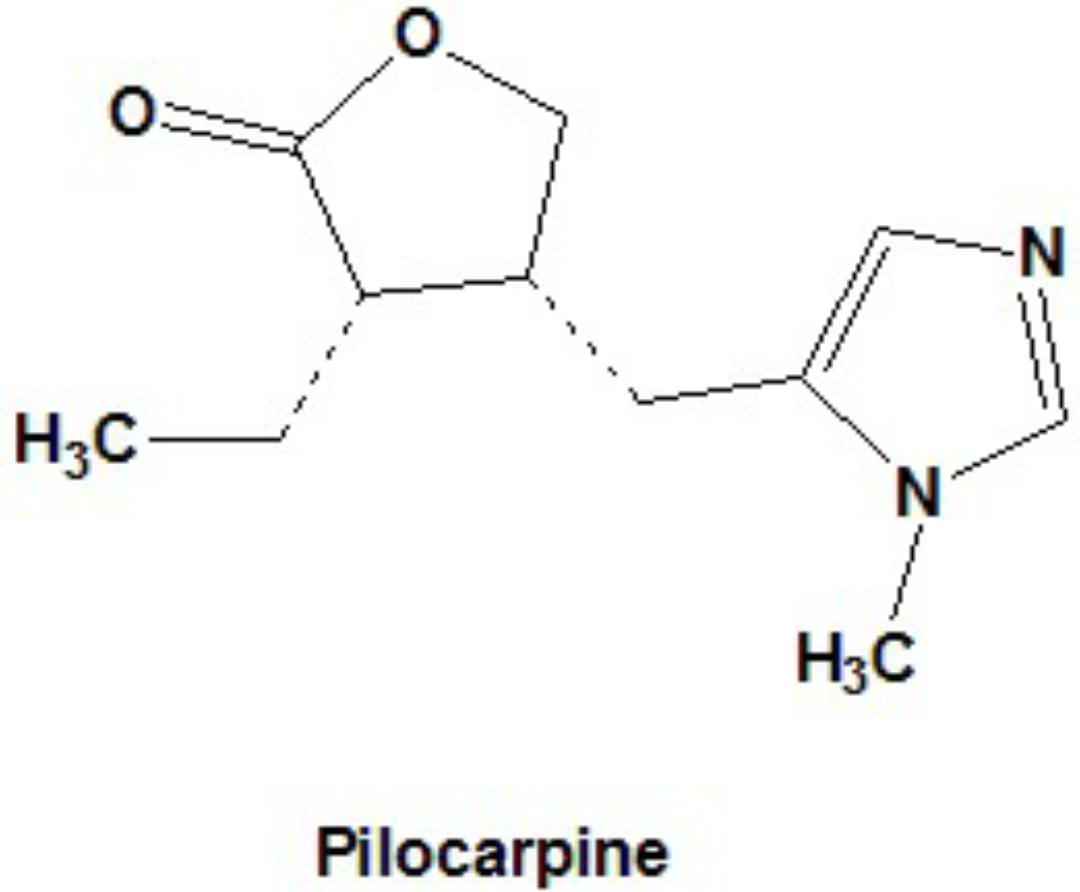
Pilocarpus Biological Sources, Chemical Constituents, Uses, Morphology and MCQ,

PILOCARPUS 1. Biological sources : • Pilocarpus is the genus having 13 species of plants within it .(pilocarpus genus). • The biological source of pilocarpin is the leaves of closely related plants of this genus. • The order of pilocarpin […]
Continue Reading

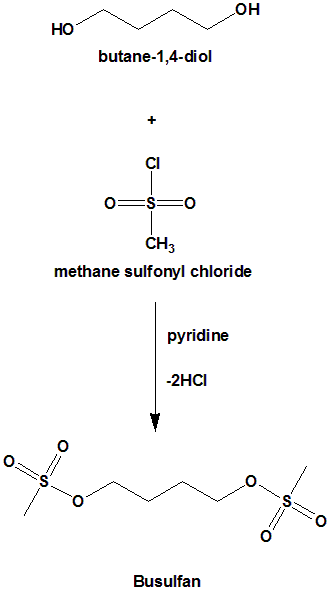
BUSULFAN Synthesis, SAR, MCQ,Chemical Structure and Therapeutic Uses

Busulfan  IUPAC nomenclature Butane-1,4-diyl dimethanesulfonate Classification Busulfan falls under the category of alkyl sulfonate alkalyting agents. Physiochemical Properties S. NO. PHYSICAL AND CHEMICAL PROPERTIES 1 Molecular weight 246.3 g/mol 2 Appearance White crystalline solid 3 Melting point 114-118°C 4 Solubility […]

Continue Reading

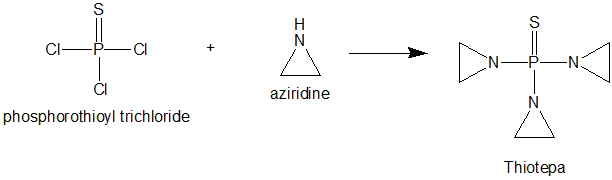
THIOTEPA Synthesis, SAR, MCQ and Chemical Structure

Thiotepa  IUPAC nomenclature 1,1′,1′′-Phosphorothioyltriaziridine Classification Thiotepa falls under the category of ethylenimine alkalyting agents. Physiochemical Properties S. NO. PHYSICAL AND CHEMICAL PROPERTIES 1 Molecular weight 189.22 g/mol 2 Appearance White crystalline solid 3 Melting point 51.5°C 4 Solubility 19 mg […]

Continue Reading

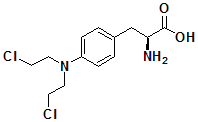
MELPHALAN Synthesis, SAR, MCQ and Chemical Structure

Melphalan It is a Anticancer Drug.  IUPAC nomenclature 4-[bis(2-Chloroethyl)amino]-L-phenylalanine Classification Melphalan falls under the category of Nitrogen mustard alkalyting agents. Physiochemical Properties S. NO. PHYSICAL AND CHEMICAL PROPERTIES 1 Molecular weight 305.2 g/mol 2 Appearance White to buff colored powder 3 […]

Continue Reading

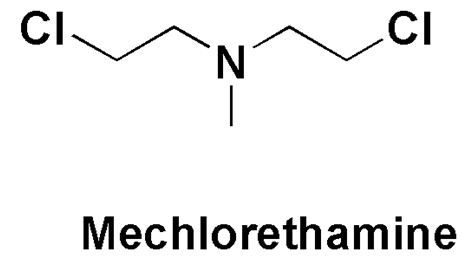
MECHLORETHAMINE Synthesis, SAR, MCQ and Chemical Structure

Mechlorethamine    IUPAC nomenclature 2-Chloro-N-(2-chloroethyl)-N-methylethan-1-amine   Classification Mechlorethamine falls under the category of Nitrogen mustard alkalyting agents.   Physiochemical Properties S. NO. PHYSICAL AND CHEMICAL PROPERTIES 1 Molecular weight 156.05 g/mol 2 Appearance Mobile liquid, pale yellow when fresh 3 […]

Continue Reading

Plantago Biological Source, Chemical Constituents, Morphological feature, Therapeutic Uses and MCQ

PLANTAGO 1.Biological sources : The biological source of plantago is plantago psyllium. It is the dried ripe seeds of this tree. It belongs to the plantaginaceae family. 2. Morphological features : The colour of this seed is pinkish grey to […]

Continue Reading

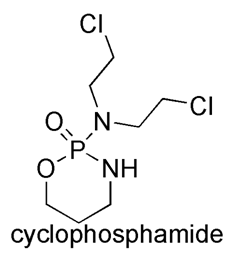
CYCLOPHOSPHAMIDE Synthesis, SAR, MCQ and Chemical Structure

Cyclophosphamide IUPAC nomenclature (RS)-N,N-bis(2-chloroethyl)-1,3,2-oxazaphosphinan-2-amine 2-oxide Classification Cyclophosphamide falls under the category of alkalyting agents. Physiochemical Properties S. NO. PHYSICAL AND CHEMICAL PROPERTIES 1 Molecular weight 261.08g/mol 2 Appearance Fine white colored crystalline powder 3 Melting point 106 to 113 °F […]

Continue Reading

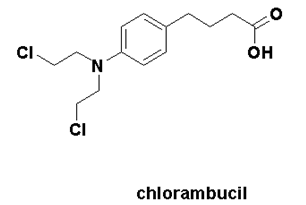
CHLORAMBUCIL Synthesis, SAR, MCQ and Chemical Structure

Chlorambucil  IUPAC nomenclature 4-[bis(2-chlorethyl)amino]benzenebutanoic acid Classification Chlorambucil can be classified as an alkalyting agent. Physiochemical Properties S. NO. PHYSICAL AND CHEMICAL PROPERTIES 1 Molecular weight 304.2g/mol 2 Appearance White colored granular powder powder 3 Melting point 65-69 °C 4 Solubility […]

Continue Reading

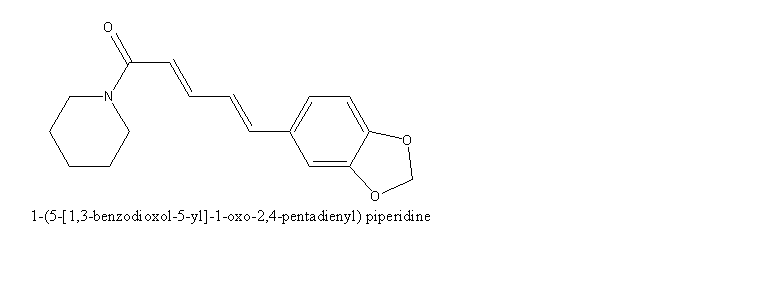
Black Pepper Biological Source, Morphology, Chemical Constituents, Uses

BLACK PEPPER 1.BIOLOGICAL SOURCES: Piper nigrum, also known as black pepper is the member of Piperaceae family. It is cultivated for getting its fruit which works as a spice and seasoning agent in many food items. 2.MORPHOLOGICAL FEATURES: It is […]

Continue Reading

Developed By Connect Globes